
Condition
Shoulder Pain
Relief for shoulder pain with advanced, non-surgical options and ultrasound guidance.
Relief for acute, mild, severe, or chronic shoulder symptoms starts with the right diagnosis. At Mississippi Motion, we combine a focused physical examination with diagnostic ultrasound when indicated.
If you're struggling with persistent pain on the outside of your shoulder or wonderinghow to fix shoulder pain without surgery, you're not alone. Shoulder pain, often caused by damaged rotator cuff tendons or biceps tendinopathy, can limit your work, sleep, and active lifestyle. When a tendon procedure is appropriate, Dr. Penton offers two minimally invasive, ultrasound-guided options that target damaged tendon tissue while preserving healthy fibers, without open surgery or stitches for many patients. Dr. Penton has successfully treated hundreds of patients from 16 years old to 100 years old.
Common conditions we evaluate include adhesive capsulitis, biceps tendinitis and tenosynovitis, rotator cuff tendinitis and tendinosis, shoulder bursitis, and more.
Understanding pain
What Causes Shoulder Pain?
Most shoulder pain stems from degeneration of the rotator cuff tendons, not a single injury. Common causes include:
- Repetitive overhead movements (lifting, throwing, reaching)
- Degenerative or partial-thickness rotator cuff tears
- Biceps tendon degeneration (biceps tendinopathy)
- Calcific tendon buildup
- Persistent inflammation that fails to heal
Over time, damaged tendon tissue becomes frayed, scarred, and thickened, reducing strength and mobility and causing constant pain.
Are you a candidate?
Who Is a Good Candidate?
An ultrasound-guided tendon procedure may be right for you if conservative care hasn't resolved your shoulder pain. You may be a candidate if you have:
- Persistent shoulder pain lasting more than 4–6 weeks
- Pain that hasn't responded to rest, physical therapy, or injections
- Ultrasound showing thickened or damaged tendon tissue
- A desire to avoid open surgery and general anesthesia
- Difficulty sleeping, working, or exercising due to shoulder pain
Dr. Penton evaluates every patient individually with a focused physical exam and diagnostic ultrasound to determine whether a minimally invasive tendon procedure is appropriate and which option fits your condition.
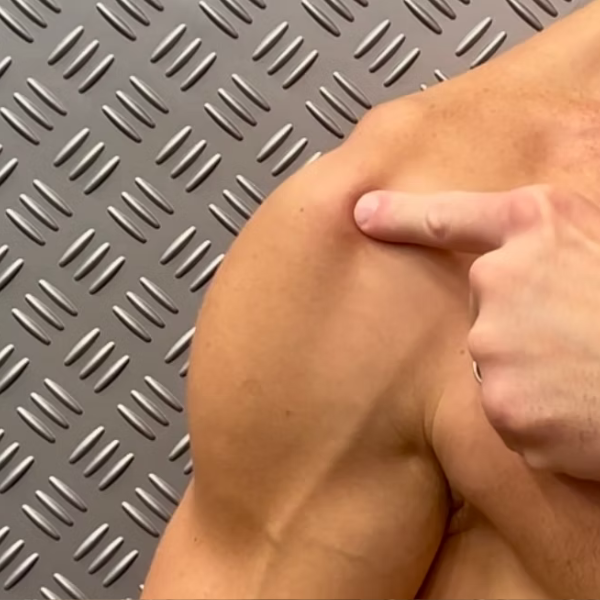
Mississippi Motion | Shoulder pain
Treatment
Our Minimally Invasive Shoulder Options
When tendon tissue is the main driver of your pain, Dr. Penton may recommend a minimally invasive, ultrasound-guided procedure through a tiny puncture, typically about 10–15 minutes, under local anesthesia in our office, with most patients going home the same day. Real-time ultrasound maps the damaged area so treatment targets diseased tissue while sparing healthy fibers.
Dr. Penton uses two complementary technologies, TenJet and Tenex, chosen based on your exam and imaging (for example, diffuse soft-tissue tendinosis vs. calcific or insertional patterns). For details on each approach, visit the service pages below.
Choosing a treatment
Minimally Invasive Options vs. Traditional Shoulder Surgery
Many patients want to know how office-based tendon procedures compare to conventional surgical repair. Here's a side-by-side overview of Tenex, TenJet, and traditional surgery.
| Feature | Tenex | TenJet | Traditional surgery |
|---|---|---|---|
| Best suited for | Calcific tendon deposits, bony spurs, insertional rotator cuff disease | Soft-tissue rotator cuff tendinosis, biceps tendinopathy, diffuse fibrotic tendon tissue | Full-thickness tears, instability, or when conservative and office-based options are not enough |
| Anesthesia | Local anesthesia (sedation optional) | Local anesthesia (sedation optional) | General anesthesia |
| Incision | Tiny puncture, no stitches | Tiny puncture, no stitches | Arthroscopic portals or open incision |
| Setting | Office-based, home the same day | Office-based, home the same day | Hospital or surgery center |
| Procedure time | ~10–15 minutes | ~15 minutes | 1–3 hours |
| Recovery | Days to weeks; light activity quickly | Days to weeks; light activity quickly | Weeks to months; sling, formal PT |
| Guidance | Real-time ultrasound | Real-time ultrasound | Direct visualization (scope or open) |
Not every patient is a candidate for Tenex or TenJet. Dr. Penton will recommend the approach that best fits your exam, imaging, and goals.
Outcomes
Benefits of Our Minimally Invasive Shoulder Procedures
- No general anesthesia or open surgery
- No stitches, just a small adhesive bandage
- Ultrasound precision targeting
- Faster recovery than traditional surgery
- Long-lasting relief as the tendon heals and remodels
Indications
Shoulder Conditions We Treat
- Rotator cuff tendinosis (supraspinatus, infraspinatus, subscapularis)
- Rotator cuff tendinitis (supraspinatus, infraspinatus, subscapularis)
- Partial rotator cuff tendon tears
- Chronic shoulder impingement with tendon degeneration
- Biceps tendon issues (tendinitis, tenosynovitis, tendinopathy)
- Shoulder bursitis
- Calcific tendon deposits
- Pectoralis tendinitis
From our clinic
Patient Stories
Shoulder tendon care at Mississippi Motion. See the approach in the video below.
Your visit
What to Expect at Your Visit
Get the most out of your visit with clear steps before, during, and after. Our process is designed to support a smooth experience and a focused recovery.
- Ultrasound diagnosis
Dr. Penton locates the exact tendon damage.
- Local numbing
The area is gently anesthetized.
- Minimally invasive treatment
The selected ultrasound-guided technique gently removes damaged tissue.
- Bandage and go
No sutures, minimal soreness, home the same day.
Healing
Recovery Timeline
Days 1–3
Mild soreness or swelling, manageable with rest.
Weeks 1–2
Gentle shoulder motion; avoid heavy lifting.
Weeks 2–4
Platelet-rich plasma (PRP) therapy may be offered to boost healing.
Weeks 4–6
Begin rehab or physical therapy to restore strength.
Weeks 6–8
Tendon healing and strengthening phase; most patients report improved pain and motion.
Common questions
Frequently Asked Questions
Can shoulder pain be treated without surgery?
Yes. Many patients with chronic shoulder pain from tendon degeneration respond well to minimally invasive, ultrasound-guided procedures performed in our office under local anesthesia. Dr. Penton offers two complementary technologies, TenJet and Tenex, and selects the option that fits your exam and imaging. No large incision, no stitches for many patients, and most go home the same day.
How long does recovery take for shoulder pain?
Most patients experience mild soreness for the first few days. Gentle motion begins within 1–2 weeks, and by 6–8 weeks most patients report significant improvements in pain and range of motion. Recovery varies by individual, procedure, and condition severity.
What kind of shoulder pain does Dr. Penton treat?
Dr. Penton evaluates and treats a wide range of shoulder conditions including rotator cuff tendinosis and tendinitis, partial rotator cuff tears, biceps tendinopathy, shoulder bursitis, calcific tendon deposits, and pectoralis tendinitis.
Is the procedure covered by insurance?
Coverage varies by plan, procedure, and diagnosis. Our office can help verify your benefits before scheduling. Many patients find office-based tendon procedures to be a cost-effective alternative to traditional surgery due to lower facility fees and faster return to activity.
How do I know which treatment is right for me?
Dr. Penton performs a thorough physical exam and diagnostic ultrasound to assess your tendon health and anatomy. Depending on whether your problem is primarily soft-tissue tendinosis, calcific change, insertional disease, or a larger tear, he may recommend conservative care, a minimally invasive option such as TenJet or Tenex, or referral for surgical repair. He will recommend the approach that best fits your condition and goals.

Your physician
Dr. Chris Penton
MD • CAQSM • RMSK
Dr. Penton is a triple-board-certified sports medicine physician with advanced training in musculoskeletal ultrasound and minimally invasive tendon procedures. He has successfully treated hundreds of patients, from 16 years old to 100 years old, using TenJet, Tenex, and Sonex at Mississippi Motion.
Next step
Schedule your shoulder pain consultation
If shoulder pain is holding you back from work, sleep, or workouts and other treatments haven't worked, it's time to explore our minimally invasive options. This simple, outpatient approach can help you move again without surgery or prolonged downtime.
Training & affiliations
Credentials