
Home » Services » Ultrasound » Ultrasound Guided Fascia Injections
Ultrasound-Guided Fascia Injections
Precision Treatment for Chronic Pain, Stiffness, and Movement Dysfunction
Chronic pain, stiffness, and limited movement often originate from hidden fascial problems (adhesions, nerve entrapments, or micro-tears in the connective tissue) that traditional treatments frequently overlook.
At Mississippi Motion, Dr. Chris Penton uses high-resolution musculoskeletal ultrasound to precisely diagnose and treat these issues at their source. This advanced ultrasound-guided fascia injection technique delivers targeted therapy with exceptional accuracy, faster relief, restored mobility, and minimal discomfort.
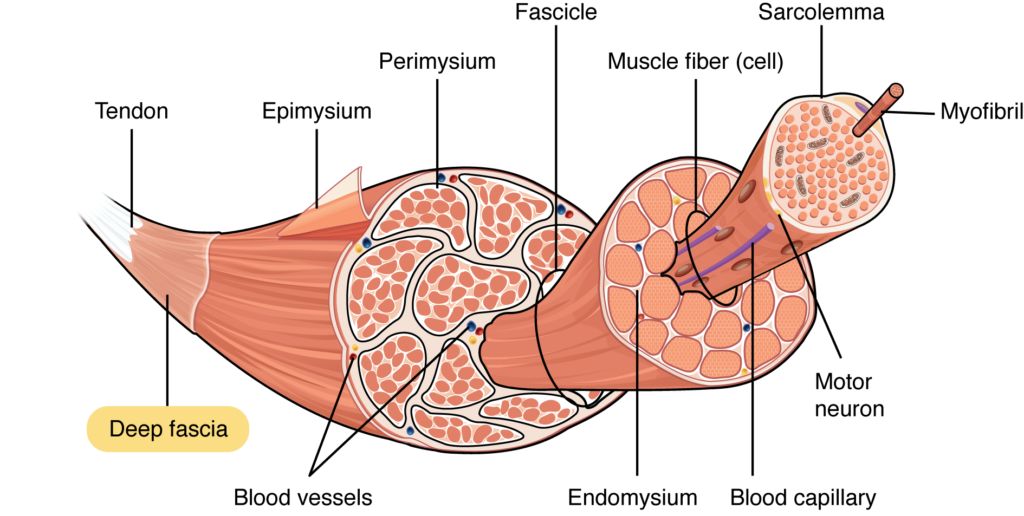
What Is Fascia and Why Does It Cause Pain?
The fascia is a thin, strong layer of connective tissue that surrounds and supports muscles, nerves, and joints, acting like a web that holds everything in place.
When fascia becomes irritated, thickened, or adhered to underlying structures, it can lead to:
- Sharp or burning pain
- Restricted range of motion
- Tendon overload
- Nerve irritation
- Chronic tightness
Ultrasound-guided fascia injections target these dysfunctional layers directly, restoring normal glide, mobility, and reducing pain through precise regenerative therapies.
Why Ultrasound Guidance?
Traditional blind injections often miss subtle fascial issues, as physical exams alone can’t reliably identify them. High-resolution ultrasound enables Dr. Penton to:
- Visualize the exact fascial plane involved
- Detect scar tissue, adhesions, and thickened bands
- Facilitates safe avoidance of nerves and blood vessels
- Deliver treatment with millimeter-level precision
This approach leads to faster healing, reduced discomfort during the procedure, and superior outcomes compared to non-guided (blind injection) methods.
Treatment Options
We customize each injection based on your specific condition and goals. Common injectates include:
Local Anesthetic (Diagnostic)
This option is used for rapid pain relief and to confirm that the fascia is the true pain generator. Immediate improvement helps guide the long-term treatment plan, and it is often combined with hydrodissection to restore tissue glide.
Prolotherapy (Dextrose-Based)
This is a safe, effective solution for chronic or recurrent fascial irritation. It stimulates healing at the microscopic level, strengthens connective tissue, and is ideal for chronic tightness, instability, or recurrent overload.
Platelet-Rich Plasma (PRP)
This uses highly concentrated growth factors taken from your own blood. It is excellent for chronic fascial tears or degenerative changes and promotes long-term regeneration rather than temporary relief.
Conditions Treated
Ultrasound-guided fascia injections are effective for:
- Thoracolumbar fascia pain (a frequent cause of low back pain)
- Gluteal and hip fascia adhesions
- Scapular/shoulder fascial tightness
- Post-surgical scar tissue and adhesions
- Nerve entrapments due to fascial thickening
If conservative treatments like rest, stretching, chiropractic care, physical therapy, or medications have failed, fascial dysfunction may be the underlying issue.
How the Procedure Works
Procedure Time: Approximately 10 minutes
Physical Examination
A targeted clinical exam identifies pain patterns, movement restrictions, and tissue sensitivity.
Diagnostic Ultrasound Scan
Real-time musculoskeletal ultrasound is used to visualize the involved fascia and confirm the true source of pain.
Diagnostic Injection
When indicated, treatment is performed directly at the pathologic fascial layer using image guidance for accuracy and safety.
Biologic & Regenerative Options
Depending on findings, treatment may include anesthetic-based relief, prolotherapy, or consideration of regenerative therapies such as PRP.
Recovery & Follow-Up
Minimal downtime. Most patients resume normal activity the same day, with a personalized follow-up plan based on response.
Ready to Address Your Pain at the Source?
If fascial issues are contributing to your chronic pain or tightness, contact us for an ultrasound evaluation today. Led by Dr. Chris Penton, MD, CAQSM, we specialize in accurate diagnosis and targeted treatment. Regain your motion and live pain-free.
FAQs
Do I need to do anything to prepare for my fascia injection appointment?
Patients should generally wear loose, comfortable clothing that allows easy access to the treatment area. Unless specifically advised by Dr. Penton, no fasting is typically required.
How many treatments are typically needed for full relief?
For diagnostic relief, one injection of local anesthetic is often enough. For long-term regenerative options like Prolotherapy or PRP, a series of 2 to 4 injections spaced several weeks apart is often recommended to achieve the best and most lasting results.
What will I feel during the ultrasound-guided fascia injection procedure?
Patients typically experience only mild pressure or a stretching sensation. There may be brief tightness as the fascial layers separate, but the procedure is generally well-tolerated without any sedation.
How soon can I expect improvement after treatment?
Many patients notice improved mobility within 24 to 48 hours, along with reduced nerve irritation and relief from deep, sharp, or burning pain.
How long do the results last?
Results often continue to improve over several weeks, especially with regenerative options like PRP or prolotherapy, providing progressive and long-lasting benefits.
When can I return to normal activities or exercise?
You should generally avoid heavy lifting or strenuous exercise for the first 24 to 48 hours as advised by Dr. Penton. Most patients return to activities and exercise soon after this initial rest period.
Is this procedure covered by insurance?
Coverage varies widely depending on your specific insurance plan and the type of injectate used (e.g., anesthetic vs. PRP). We recommend contacting your insurance provider directly with the procedure details, or contacting our office for a personalized quote for self-pay options.